


























Menu
Your Cart

TWISTED PLAYS OFFICES WILL BE CLOSED FOR THANKSGIVING NOVEMBER 26-28.  Orders may still be processed during that time, but could be slower than normal.

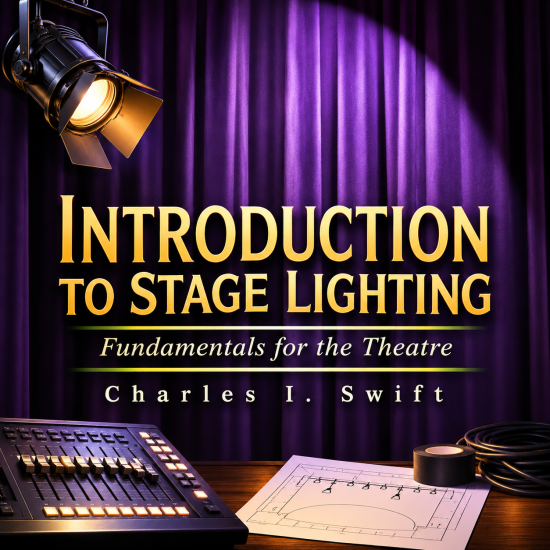
Introduction to Stage Lighting

Introduction to Stage Lighting
New
Introduction to Stage Lighting
Technical Theatre | Lighting Design & Education

Introduction to Stage Lighting

The Fundamentals of Theatre Lighting Design

By Charles I. Swift

Great lighting does more than illuminate the stage. It creates atmosphere, directs attention, establishes mood, and helps tell the story.

Discover the essential principles of theatrical lighting design in this practical, illustrated guide for students, teachers, and directors.

Discover the Art and Science of Stage Lighting

What transforms an ordinary stage into a dramatic, mysterious, romantic, or magical setting? Often, the answer is lighting.

Introduction to Stage Lighting by Charles I. Swift is an accessible and informative resource for anyone interested in understanding the fundamentals of theatrical lighting design.

Written primarily for individuals developing their skills in stage lighting design, this book is equally valuable for drama teachers and theatre directors seeking a deeper understanding of the lighting design process.

Rather than focusing on constantly changing lighting equipment and control technology, Swift emphasizes the thoughtful creative decisions that make lighting effective.

Readers explore not only how stage lighting works, but how lighting designers make intentional choices to support a production.

Lighting Is More Than Equipment

Effective theatrical lighting depends on understanding light, making deliberate design decisions, and collaborating with the production team. This book emphasizes those lasting fundamentals.

12 Chapters Organized into Three Essential Sections

The book's 12 chapters are divided into three sections that guide readers from foundational knowledge through design decisions and the collaborative process.

Part One: Tools and Terminology

Before designing theatrical lighting, it is important to understand the tools and language of the profession.

This introductory section establishes the fundamentals needed to discuss, plan, and understand stage lighting.

  • Lighting Fixtures: Become familiar with the equipment used to illuminate theatrical productions.
  • How Stage Lights Work: Explore the basic operation and function of theatrical lighting.
  • Lighting Terminology: Develop an understanding of the vocabulary used in lighting design.
  • Quality of Light: Examine the characteristics of light and their importance in theatrical design.

Part Two: Manipulating the Light

Once the fundamentals are established, readers explore how lighting designers control and shape light to achieve their artistic objectives.

This section examines the qualities of light that designers can manipulate to influence the appearance and atmosphere of a production.

  • Angle: Understand how the direction of light affects the appearance of performers and scenery.
  • Intensity: Explore how changes in brightness contribute to theatrical design.
  • Movement: Examine movement as a controllable element of stage lighting.
  • Color: Discover the role of color in creating theatrical environments.
  • Developing the Lighting Key: Learn about establishing the visual approach to a production's lighting.

Part Three: The Collaborative Process

Lighting design is not an isolated activity. It is an important part of the larger theatrical production process.

The final section focuses on collaboration and the importance of working with others to create a unified production.

Lighting designers must consider how their work contributes to the overall theatrical experience and supports the creative vision of the production.

This section reinforces the idea that successful lighting design requires communication, planning, and cooperation.

40 Illustrations and Photographs

Understanding lighting design often requires more than written explanations.

Introduction to Stage Lighting includes 40 illustrations and photographs that complement the text and help readers visualize important concepts.

These visual references make the book a useful learning resource for students beginning their technical theatre education and a practical reference for directors seeking to strengthen their understanding of theatrical lighting.

Ideal for Theatre Education

Whether you're introducing students to technical theatre or looking to improve your own understanding of stage lighting, this book offers a structured introduction to the principles behind effective design.

Recommended For:

  • Middle and high school theatre programs
  • College and university theatre students
  • Drama teachers and theatre educators
  • School play and musical directors
  • Beginning theatrical lighting designers
  • Student technical theatre crews
  • Community theatre organizations
  • Technical theatre classrooms
  • Directors expanding their production knowledge
  • Theatre education resource libraries

Why You'll Love This Book

  • Design-Focused Approach: Emphasizes enduring principles of theatrical lighting rather than rapidly changing technologies.
  • 12 Organized Chapters: Builds understanding through three major areas of lighting design.
  • Equipment and Terminology: Introduces the essential tools and vocabulary of stage lighting.
  • Creative Lighting Techniques: Explores angle, intensity, movement, and color.
  • Collaborative Design: Emphasizes the importance of working as part of a production team.
  • Illustrated Reference: Includes 40 illustrations and photographs.
  • Versatile Educational Resource: Useful for students, teachers, directors, and developing designers.

Build Skills That Last Beyond the Latest Technology

Lighting equipment and control systems continue to evolve, but the fundamental principles of effective lighting design remain valuable.

By emphasizing thoughtful design, visual communication, and collaboration, this book provides a foundation that readers can apply across different theatrical environments.

From a small school stage to a larger community theatre production, understanding the principles of lighting design can help theatre practitioners make more informed creative decisions.

Book Information

Title Introduction to Stage Lighting
Subtitle The Fundamentals of Theatre Lighting Design
Author Charles I. Swift
Format Paperback
Pages 176
Dimensions 5.5 x 8.5 inches
Chapters 12 chapters in 3 sections
Illustrations 40 illustrations and photographs
ISBN-13 9781566080989
Subject Stage Lighting & Technical Theatre
$17.25
  • Stock: In Stock
  • Item Number: 978-1-56608-098-9
We use cookies and other similar technologies to improve your browsing experience and the functionality of our site. Privacy Policy.